Ristretto vs Espresso vs Lungo: Brew Ratios, Extraction Times and Flavour Differences
- Ristretto: 1:1 ratio, ~18 ml, 15-20 seconds, sweeter, more concentrated, less bitter
- Espresso: 1:2 ratio, ~36 ml, 25-30 seconds, the SCA reference format
- Lungo: 1:3 ratio, ~54 ml, 35-45 seconds, more dilute, risks over-extraction bitterness
- Same dose, three radically different flavour profiles, all down to when you stop extraction
- A precision scale is non-negotiable for reproducible results
Why does the same dose make three completely different drinks?
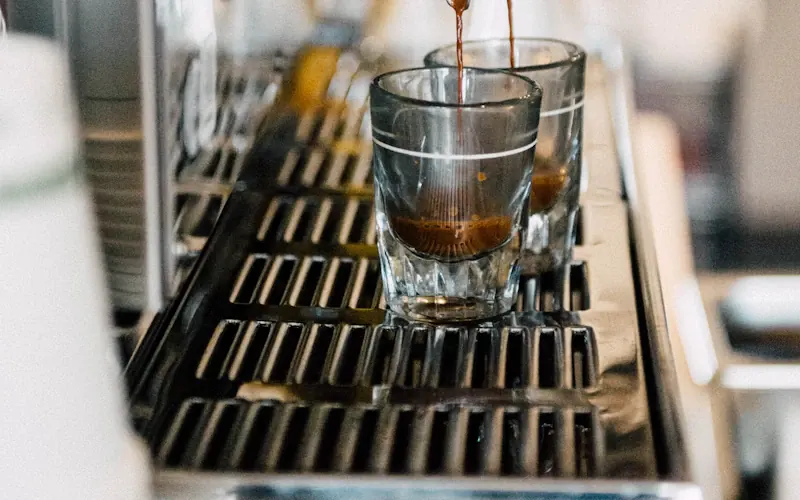
Here's something that surprises most coffee drinkers: a ristretto, a standard espresso and a lungo can all start with the exact same 18 grams of ground coffee. The machine, the pressure and the temperature remain constant. The only variable that changes is when you stop the extraction, and that single decision produces drinks so different in flavour that they seem to come from different beans entirely.
This is the power of the brew ratio in espresso. Understanding it transforms you from someone who simply presses a button into someone who actively shapes flavour. And once you grasp the chemistry behind why ristretto tastes sweeter and lungo risks bitterness, the whole world of espresso calibration opens up.
What is the espresso brew ratio and why does it matter?
The brew ratio expresses the relationship between the dry coffee dose (in grams) and the liquid espresso yield (in grams). A 1:2 ratio means one gram of coffee produces two grams of liquid espresso. Since water weighs approximately one gram per millilitre, this translates almost directly to volume in millilitres.
Why does this matter? Because at 9 bars of pressure, different compounds dissolve in water at different rates over time. Organic acids and fruit sugars extract first, they're responsible for brightness and sweetness. Bitter compounds like chlorogenic acids and certain melanoidins extract later. The brew ratio determines how far along this chemical timeline you go. Stop early (ristretto), and you capture mostly the sweet-acid phase. Keep going (lungo), and you push into bitter territory.
Why is a ristretto sweeter and more concentrated than espresso?
The word ristretto comes from Italian for "restricted", a deliberately short extraction that captures only the first phase of compound dissolution. For an 18 g dose, target approximately 18 ml of liquid (a 1:1 ratio), extracted in 15 to 20 seconds. The grind must be slightly finer than for standard espresso to maintain flow resistance and keep extraction time in range despite the smaller yield.
The result is chemically distinct from espresso: higher TDS (total dissolved solids, approximately 10-14% versus 8-11% for espresso), lower absolute caffeine per volume (though more concentrated), and a flavour profile dominated by fruit sugars and organic acids rather than bitter phenolics. The texture is syrupy, almost viscous, a characteristic that many specialty coffee bars now lean into, using ristretto as the base for milk drinks to amplify perceived sweetness.
Ristretto particularly suits natural and honey-process coffees, where the inherent sweetness of the fruit mucilage translates into a concentrated sensory experience. Ethiopian Yirgacheffe, Colombian Caturra naturals or Guatemalan honey-process lots reveal a complexity in ristretto format that longer extraction would dilute into a more generic espresso profile.
Why is the 1:2 espresso the SCA reference format?
The SCA (Specialty Coffee Association) defines espresso as coffee extracted at 9 ± 1 bar, between 90°C and 96°C, with a brew ratio between 1:1.5 and 1:2.5, though the working standard in competitive and specialty circles has converged on 1:2, typically 18 g of coffee yielding 36 ml of liquid in 25 to 30 seconds. (Source: SCA, 2023)
At this ratio, extraction captures an approximately balanced mixture of organic acids, sugars, lipids, and moderate bitter compounds. The crema, that reddish-brown foam of CO₂ bubbles and emulsified oils, is most abundant and stable at 1:2 extraction. Push beyond this point and crema begins to thin and collapse as bitter compounds interrupt the emulsion structure.
Temperature is a frequently underestimated variable. Between 90°C and 96°C, each degree produces measurable flavour changes: lower temperatures favour fruit and acidic notes; higher temperatures extract more bitter compounds and body. Natural-process coffees generally perform better at 90-92°C; high-clarity washed coffees from East Africa often shine at 93-95°C. Without a PID on your machine, you're guessing rather than controlling this variable.
What are the risks of a lungo's longer extraction?
Lungo ("long" in Italian) uses a 1:3 ratio, approximately 54 ml from 18 g of coffee, extracted in 35 to 45 seconds. The extended contact time between water and coffee puck at 9 bars means extraction continues well past the sweet spot into bitter compound territory. Whether this produces an unpleasant drink depends entirely on the coffee and grind adjustment.
The lungo is fundamentally different from an americano, a distinction worth knowing clearly. An americano is a 1:2 espresso with hot water added to the cup after extraction, the coffee is never re-extracted, simply diluted. A lungo extracts new compounds through prolonged pressure. The americano retains espresso's extraction balance in a larger format; the lungo generates an entirely different chemical profile with compounds that don't appear in standard espresso at all.
To brew lungo successfully, grind slightly coarser than your espresso setting, this slows extraction per unit time and reduces the risk of over-extracting bitter compounds over the longer run time. Reducing brew temperature by 1-2°C also helps. Best candidates: low-bitterness washed Ethiopian and Guatemalan coffees, light-roasted Central Americans. Worst candidates: robusta-containing blends, dark roasts, anything with high chlorogenic acid content.
How do ristretto, espresso and lungo actually differ?
| Format | Ratio | Yield (18g dose) | Extraction time | Flavour profile | Est. TDS |
|---|---|---|---|---|---|
| Ristretto | 1:1 | ~18 ml | 15-20 s | Sweet, concentrated, fruity, low bitterness | 10-14% |
| Espresso | 1:2 | ~36 ml | 25-30 s | Balanced, moderate bitter, body, crema | 8-11% |
| Lungo | 1:3 | ~54 ml | 35-45 s | More dilute, woody notes, bitter risk | 6-8% |
| Americano | 1:2 + water | 150-200 ml | 25-30 s + dilution | Diluted espresso, clean, light | 2-4% |
How do you brew ristretto, espresso and lungo in practice?
Start with the standard espresso
Before experimenting with ratios, dial in a consistent 1:2 espresso. If you can't reproduce a balanced shot reliably, ratio variations won't be meaningful. Use a precision scale, a timer, and log every extraction, dose in, yield out, time, and flavour notes.
Moving to ristretto
Keep the same dose and grind setting from your dialled-in espresso. Stop extraction when the scale reads your target yield (same grams as coffee dose for 1:1). If the shot runs in under 15 seconds, grind finer. If it takes over 25 seconds to reach 18 ml, grind slightly coarser. A well-executed ristretto flows with a thick, honey-like consistency, not a quick, watery jet.
Attempting a lungo
Grind slightly coarser than your espresso setting and lower brew temperature by 1-2°C if your machine allows. Taste at 40 ml and continue only if the cup is still pleasant. Bitterness compounds increase non-linearly past the extraction sweet spot, a small additional volume can tip a balanced lungo into an unpleasant one.
What equipment do you need for precise espresso ratios?
| Tool | Role | See on Amazon |
|---|---|---|
| Espresso scale (0.1 g) | Measure dose and yield precisely | View scales on Amazon UK |
| Espresso machine with PID | Temperature control ±0.3°C | View machines on Amazon UK |
| Espresso grinder | Consistent, adjustable grind | View grinders on Amazon UK |
* These links may generate a commission on qualifying purchases at no extra cost to you. Learn more.
Frequently asked questions
What is the difference between a ristretto and an espresso?
A ristretto uses a 1:1 brew ratio, approximately 18 ml of liquid from 18 g of coffee, extracted in 15 to 20 seconds. A standard espresso uses 1:2, yielding about 36 ml in 25 to 30 seconds. The ristretto is sweeter, more concentrated and less bitter because bitter compounds don't extract in significant quantities within the shorter timeframe. It has a syrupy, dense texture and higher TDS (10-14%) compared to espresso (8-11%).
What is a lungo and how is it different from an americano?
A lungo is espresso extracted with more water, ratio 1:3, approximately 54 ml in 35 to 45 seconds, with water passing through the puck under pressure throughout. An americano is a standard espresso with hot water added afterwards. The lungo actively extracts additional compounds through prolonged pressure, risking bitterness if the coffee isn't suited. The americano simply dilutes an already-balanced espresso into a larger, lighter drink.
What brew ratio makes the best espresso at home?
The SCA standard is 1:2-18 g of coffee yielding 36 ml in 25-30 seconds at 9 bars and 90-96°C. This is the universal starting point. Adjust: natural-process coffees often benefit from a slightly shorter ratio (1:1.8); high-acidity washed coffees can go to 1:2.5. A 0.1 g precision scale is essential for consistent, reproducible results. (Source: SCA, 2023)
Which coffees work best for ristretto and lungo?
Ristretto suits natural and honey-process coffees with high inherent sweetness, Ethiopian (Yirgacheffe, Guji), Colombian and Central American specialty lots work beautifully. For lungo, choose low-bitterness coffees: washed Ethiopian, light-roasted Guatemalan or Central American varieties. Avoid robusta-heavy blends for lungo, prolonged extraction will over-concentrate their bitter chlorogenic compounds.
Ready to dial in your espresso ratios?
View espresso scales on Amazon →Further reading: Best espresso machines 2026 · Single-dose grinding guide 2026 · Manual lever espresso machines 2026 · Specialty coffee FAQ
Affiliate links: as an Amazon Associate, expertcafe.be earns from qualifying purchases at no extra cost to you. Learn more.