Best Milk Frothers 2026: Ranked by Use and Budget
- For latte art at home: Subminimal NanoFoamer V2 (~39 EUR), barista-quality microfoam without a steam wand
- Same result, no AA cells: NanoFoamer Lithium (~50 EUR), USB-C rechargeable
- All-in-one electric: Nespresso Aeroccino 4 (~89 EUR, hot and cold) or Sage Milk Café (~149 EUR, large volumes)
- On a tight budget: Bodum Latteo (~20 EUR, manual pump) or IKEA Produkt (~5 EUR, whisk)
- Fine microfoam pours latte art; dry foam suits a cappuccino but never pours patterns
Our 2026 selection: top milk frothers
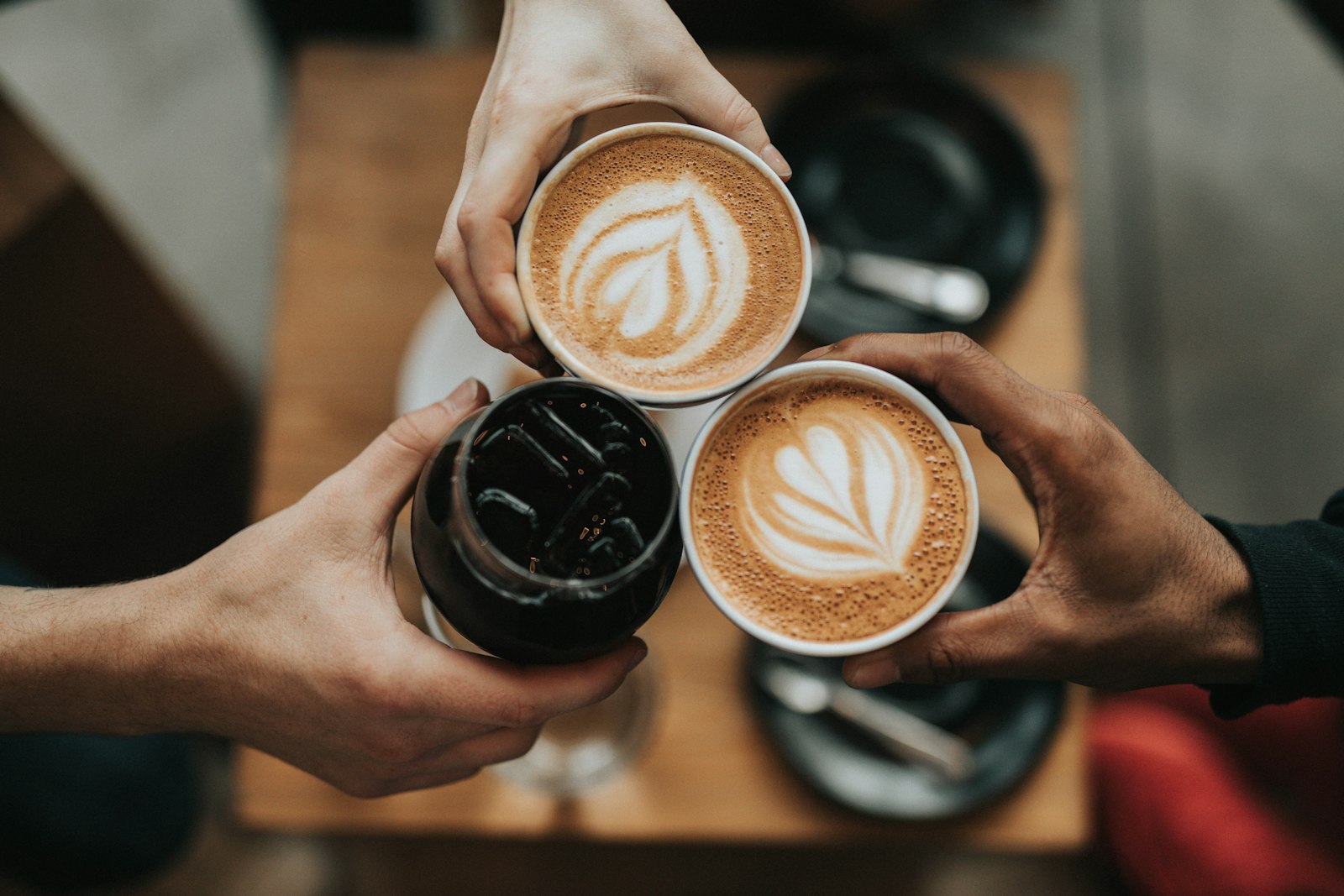
Here is the small, slightly deflating truth about milk frothers that I wish someone had told me earlier. You can own a beautiful espresso machine, a grinder that cost more than your sofa, single-origin beans roasted last Tuesday, and still serve a cappuccino topped with what looks like the foam from a bubble bath. The reason is almost always the milk, and more precisely the difference between beating air into milk and actually texturing it. The good news is that fixing this costs a tiny fraction of what the machine did.
After comparing the texture each tool produces, how easy it is to live with day to day, how it holds up over time and what it actually costs in shops, here is our selection of the best milk frothers in 2026. Prices are indicative and verified at European retailers in euros (a Belgian and EU audience deserves EUR, not a converted guess), and they move with stock and promotions, so treat them as a current snapshot rather than a fixed tag.
| Frother | Type | Microfoam for latte art | Indicative price (EUR) | Best for | Buy |
|---|---|---|---|---|---|
| Subminimal NanoFoamer V2 | Portable (battery) | Yes | ~39 EUR | Latte art at home, best value | Check price on Amazon |
| Subminimal NanoFoamer Lithium | Portable (USB-C) | Yes | ~50 EUR | Daily latte art, no batteries | Check price on Amazon |
| Bodum Latteo | Manual (pump) | Partial | ~20 EUR | Beginner, no power, microwave-safe glass | Check price on Amazon |
| Nespresso Aeroccino 4 | Electric (jug) | No (dry foam) | ~89 EUR | All-in-one cappuccino, hot and cold foam | Check price on Amazon |
| Sage The Milk Café | Electric (induction) | No (automatic) | ~149 EUR | Large volumes, hot chocolate, temperature settings | Check price on Amazon |
| IKEA Produkt | Portable (battery whisk) | No | ~5 EUR | Entry level, occasional use | Check price on Amazon |
* These links go to Amazon and may earn a commission if you buy, at no extra cost to you. The IKEA Produkt is sold mainly in IKEA stores (around 5 EUR); the link points to an equivalent handheld alternative. Indicative prices verified in June 2026. Learn more.
What does each type of frother actually do to the milk?
Strip away the branding and each type is one simple action repeated at speed. A bare whisk beats air into the milk and leaves the bubbles large. A perforated screen forces that same milk through micro-holes, cutting those bubbles down to microfoam. A hand plunger does the screen's job on arm power, slower, and stops halfway there.
Portable frothers: microfoam on a budget
This is the category that quietly rewrote the rules. The Subminimal NanoFoamer V2 (~39 EUR) is not just an electric whisk: its patented screens, fixed to the shaft, force milk through micro-perforations that shatter large bubbles into fine, glossy microfoam, the very texture a professional steam wand produces. You heat the milk separately, plunge the tool for a few seconds, and out comes silky milk ready to pour patterns. The NanoFoamer Lithium (~50 EUR) uses the same screen system but swaps AA cells for a USB-C rechargeable battery, more convenient day to day. At this price, it is the most direct route to latte art at home.
The battery whisk in the IKEA Produkt mould (~5 EUR) also belongs to the portable family, but without the screens: it simply beats air into the milk and makes passable foam in a pinch, never true microfoam. It is a stopgap, not a latte art tool.
Electric jug frothers: the all-in-one convenience
The Nespresso Aeroccino 4 (~89 EUR) and the Sage The Milk Café (~149 EUR) heat and froth in a single step. You pour the milk, press a button, and lift out a jug of hot foam (or cold, on the Aeroccino 4) with nothing to watch. The Aeroccino 4 offers several textures and a cold-foam option for iced drinks; the Sage Milk Café plays the volume and temperature-setting card, ideal for hot chocolate and a full table of guests. Their limit is texture: they produce airier, drier foam, perfect for a classic cappuccino but poorly suited to pouring designs.
Manual frothers: zero electronics
The Bodum Latteo (~20 EUR) works like a French press: you heat the milk in the borosilicate glass carafe (microwave-safe), then pump the mesh plunger up and down. The result beats a plain whisk, and the partial microfoam is enough for a tidy cappuccino. It is the rugged, no-battery, no-motor option for anyone who wants the least electronics in their kitchen.
How small can each family of frother make the bubbles?
Bubble size is really a scale, and only the screen tools reach its finest end, microfoam, milk textured so finely that the bubbles all but disappear. The milk takes on a glossy, paint-like sheen, dense and pourable, and it blends into the coffee rather than floating on top. This texture, and only this texture, lets you pour a heart or a rosetta, which is what we mean by latte art. Both the flat white and the modern cappuccino rest on this integrated microfoam.
Dry foam, by contrast, is built from large air bubbles. It is firm, voluminous, and sits as a distinct layer on the coffee. This is the foam of the traditional Italian cappuccino, lovely with a spoon but impossible to pour into a pattern. Most electric jug frothers default to this drier foam, because their whisk folds in plenty of air without dividing it finely.
The practical upshot: if latte art appeals to you, reach for a screen-based tool like the NanoFoamer, which can turn large bubbles into microfoam. If you mostly want a comforting cappuccino with no effort, an electric jug frother does the job perfectly, as long as you accept foam that will not pour into designs.
Before you buy, what should a frother be able to prove?
A frother earns its place on the counter by proving five things, and the first is the texture you want. Fine microfoam for latte art, or airy foam for a classic cappuccino. This is the first split, because it cleanly separates screen-based portables from electric jugs.
Hot, cold or both. A portable like the NanoFoamer textures the milk at whatever temperature you give it, hot or cold. The Aeroccino 4 builds in a cold-foam function; many electric frothers only heat.
Volume. For one or two cups, a portable is more than enough. To serve a table or make hot chocolate, a large-capacity electric jug like the Sage Milk Café earns its place.
Cleaning. Rinsing the shaft or screen immediately after use stops milk drying and clogging. Models with removable parts (screens, whisks) clean up better. Check whether the jug is dishwasher-safe.
Power source. AA cells, USB-C rechargeable, mains, or pure manual mechanics. The NanoFoamer Lithium avoids batteries; the Bodum Latteo needs no energy at all.
Can a frother stop the milk before it scalds?
A jug with a temperature setting will call time for you; on everything else, your hand is the thermostat. Aim for 60 to 65 C: below that, the foam lacks body and sweetness; above 70 C the milk starts to scald, proteins denature, a cooked taste creeps in and the foam turns brittle. With no thermometer, use this cue: the jug should stay hot to the touch without becoming painful to hold.
On milk, whole milk is the easiest to texture. Its fats bring the silkiness, its proteins stabilise the bubbles: it is the most forgiving choice for beginners. Semi-skimmed gives a lighter but less durable foam.
For plant milks, always choose a barista edition. These oat, soy or almond formulas carry stabilisers and an adjusted fat content that allow microfoam comparable to whole milk. Standard plant milks, by contrast, froth poorly and collapse fast. Barista oat is currently the reference for dairy-free latte art.
Mistakes to avoid
- Expecting latte art from a dry-foam frother: an Aeroccino or an IKEA whisk will never pour a pattern, whatever your technique. That is a physical limit, not a lack of skill.
- Overheating the milk: crossing 70 C ruins both taste and texture, and scalded milk cannot be recovered.
- Using non-barista plant milk for latte art: the foam collapses almost at once. The barista edition changes everything.
- Skipping the rinse: milk dried on a screen or shaft clogs it and spoils the next batch. Rinse straight away.
- Over-buying: for one or two cups a day, a 39 EUR portable does the latte art job better than an electric jug three times the price.
Frequently asked questions about milk frothers
Which milk frother should I buy for latte art in 2026?
For latte art at home, the Subminimal NanoFoamer V2 (~39 EUR) is the reference thanks to its patented screens that create fine, glossy microfoam. The NanoFoamer Lithium (~50 EUR) delivers the same result with a USB-C rechargeable battery. Electric jug frothers like the Aeroccino 4 or the Sage Milk Café make drier foam, suited to a cappuccino but not to pouring patterns.
Is a portable frother as good as an electric one?
It depends on use. A portable like the NanoFoamer V2 (~39 EUR) makes barista-quality microfoam for latte art, but needs the milk heated separately. An electric jug like the Nespresso Aeroccino 4 (~89 EUR) heats and froths in one unattended step but gives drier foam. For latte art the portable wins; for an effortless daily cappuccino the electric wins on convenience.
What temperature should milk be for frothing?
Aim for 60 to 65 C. Below that the foam lacks body; above 70 C the milk scalds, takes on a cooked taste and the foam turns brittle. Without a thermometer, the jug should stay hot to the touch but not painful. Whole milk is the easiest to texture; for plant milks, choose a barista edition that froths just as well.
Ready to texture milk like a barista?
See the best milk frothers on Amazon →Further reading: Best coffee grinders 2026 · Specialty coffee FAQ · Coffee glossary
Affiliate links: as an Amazon Associate, expertcafe.be earns from qualifying purchases at no extra cost to you. Learn more.