Best Coffee Storage Containers 2026: Vacuum, Valve and Opacity Compared
- A good container ticks three boxes: airtight, opaque, and able to remove or block oxygen
- Active vacuum: Fellow Atmos matte steel (around 50 EUR), with a built-in pump and vacuum indicator
- Pump-free and large: Airscape Kilo (around 55 EUR), patented plunger lid, holds a full kilo of beans
- Smart on a budget: TightVac CoffeeVac 1.85L (around 19 EUR), opaque plastic, two-way valve
- Buy one to two weeks of coffee at a time, and never store it in the fridge
Which coffee storage container came out on top in our 2026 test?
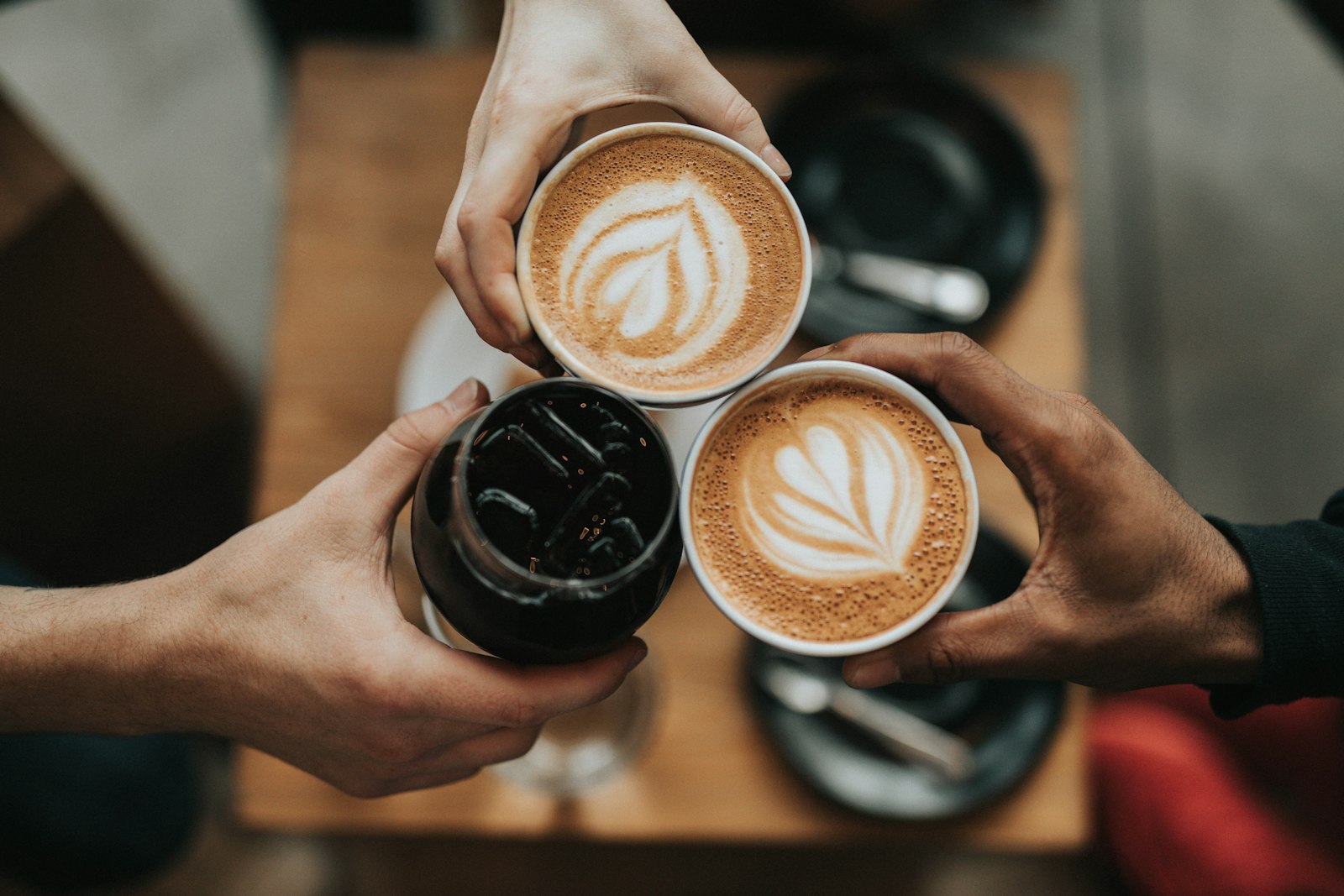
Here is something I see constantly: people spend real money on an exceptional coffee, then leave it in its opened bag on the counter, exposed to air and light. A storage container is not a decorative afterthought; it decides whether your beans keep their promise to the last cup. For this 2026 selection I compared anti-oxygen systems, real opacity, materials, capacity and indicative prices at European retailers. Every container here defends coffee against its two biggest enemies, air and light.
| Model | Valve or vacuum system | Opaque material | Capacity | Indicative price | Best for | Buy |
|---|---|---|---|---|---|---|
| Fellow Atmos (stainless steel, matte finish) | Vacuum, built-in pump | Opaque matte stainless steel | 1.2L, up to 450 g | around 50 EUR | Keen home user, medium-term storage | See price on Amazon |
| Planetary Design Airscape Kilo | Plunger lid, two-way valve | Opaque galvanised steel | 1 kg of beans | around 55 EUR | Bulk buyers, 1 kg bags, multi-cup homes | See price on Amazon |
| Coffee Gator (stainless) | One-way CO2 valve | Opaque stainless steel | 22 oz, about 645 g | around 25 EUR | Freshly roasted beans, built-in date tracker | See price on Amazon |
| TightVac CoffeeVac 1.85L | Two-way valve, airtight seal | Opaque BPA-free plastic | 1.85L, about 500 g | around 19 EUR | Tight budget, travel, first purchase | See price on Amazon |
| Hario Sealed Canister (glass) | Lever-seal lid, no valve | Clear glass (keep out of light) | 800 ml | around 20 EUR | Looks, fast rotation, ground coffee | See price on Amazon |
* These links may earn a commission if you make a purchase, at no extra cost to you. Learn more.
Fellow Atmos: vacuum sealing that becomes a daily habit
The Fellow Atmos (around 50 EUR) is still the benchmark of the category. Its vacuum pump is built into the lid: a back-and-forth twist pulls the air out, and a visual indicator confirms the vacuum is locked. The 18/8 stainless steel body, sold in a matte black or matte white finish, is fully opaque and shields beans from light, which the clear glass version cannot do. Fellow presents that vacuum as a freshness gain, with no independent measurement to put a figure on it, and advises twisting the lid again every four to five days because the seal slowly relaxes. The 1.2L size holds up to 450 g of beans, roughly two specialty bags, and slightly less with a dark roast, whose beans take up more room. One honest caveat that owners mention: you need to twist the lid several times and it takes a firm grip. Skip it for ground coffee, which Fellow explicitly warns will clog the intake valve.
Airscape Kilo: big capacity without a pump
The Airscape Kilo (around 55 EUR) plays a different game. No pump, but a patented plunger lid you press down until it meets the beans; the trapped air escapes through the valve in the inner lid, and the plunger then stays where it stopped. That is the real difference from a plain airtight jar, which seals the air in along with the coffee. The galvanised steel exterior, coated in a food-safe matte paint, is completely opaque. Planetary Design rates it for up to 2.5 lb, a little over a kilo of beans, which suits anyone buying 1 kg bags. Hand wash only. Owner reviews praise the simplicity and the seal, with one recurring note: the plunger can feel firm to pull up as the canister empties.
Coffee Gator, TightVac and Hario: three profiles for three uses
The Coffee Gator in stainless steel (around 25 EUR) relies on a one-way valve that releases CO2 from freshly roasted beans without letting air back in, plus a date dial on the lid so you know when the bag was opened. The common model is rated for 22 oz of coffee, about 645 g, in a 1.9 L body. The TightVac CoffeeVac 1.85L (around 19 EUR) is the best protection-to-price pick: opaque BPA-free plastic, 500 g of beans, and a press-button closure that expels the volume of air held in the cap as you shut it, backed by a two-way degassing valve. The Hario Sealed Canister in 800 ml glass (around 20 EUR) leans on looks and a simple gesture, with a lever that seals it airtight; its only weakness is the clear glass, which means it belongs in a cupboard, away from light.
How quickly does roasted coffee fade once the bag is open?
Roasted coffee is a living, fragile product. The moment you open the bag, its aromatic oils meet oxygen and start to oxidise, much like a cut apple browning. That oxidation turns delicate, sweet aromas into flat, cardboard, even rancid notes. In practice, a large share of aroma can fade within two to three weeks of opening, and the decline is already noticeable within the first days if the beans sit exposed to air.
Light, and ultraviolet light in particular, accelerates the reaction by breaking down aromatic compounds and lipids. That is why specialty coffee bags are opaque and fitted with a degassing valve: they let CO2 out without letting air or light in. A good storage container reproduces that principle at home, with the added option of actively removing the air already present through vacuum sealing.
That CO2 matters more than most buying guides admit. A bean leaving the roaster degasses hard for the first hours, then more slowly over roughly a week to ten days, longer for dark espresso roasts. Seal a very fresh coffee in a fully gas-tight jar and the gas keeps coming: pressure builds against the gasket, and a poorly latched lid can pop. A degassing valve solves that without ever letting air back in, which is precisely why it earns its place on a canister rather than being a marketing flourish.
The fourth factor, moisture, works quietly: coffee is hygroscopic and pulls water from the surrounding air, which speeds staling and invites off-smells. Air, light, heat and moisture form the quartet to neutralise. An airtight, opaque, well-sealed container tackles all four at once.
Which details decide whether a canister really keeps oxygen out?
The anti-oxygen system: three genuinely different mechanisms coexist, and they get mixed up constantly. Vacuum sealing (Fellow Atmos) draws air out with a pump housed in the lid. A plunger lid (Airscape) pumps nothing: it drops onto the beans and forces the air out through a valve. A one-way valve (Coffee Gator) removes no air at all; it only lets fresh coffee vent its CO2 without letting any back in. The longer you store, the more an active vacuum is worth it; the fresher your roast, the more the valve matters.
Opacity: an opaque material (steel, galvanised steel, tinted plastic) protects against UV. Glass is elegant but transparent, so the container must live in a dark cupboard.
Capacity: aim for a volume matching one to two weeks of use. An oversized container leaves a lot of air around few beans, which undercuts the anti-oxygen system.
Material and cleaning: steel cleans easily and holds no smells, BPA-free food plastic stays light and unbreakable, glass washes perfectly but is fragile. Avoid oils going rancid in corners: regular cleaning keeps the container neutral.
Beans or ground: for vacuum containers like the Fellow Atmos, fine grounds can clog the valve. Keep whole beans in those, and reserve ground coffee for simple airtight containers or robust valves.
How do you keep coffee fresh day to day?
- Buy small and often: one to two weeks of coffee at a time. Well-kept fresh beans always beat a large stock that ages.
- Store at room temperature, in a cupboard away from light and heat, far from the oven and hob.
- Never the fridge: condensation and smells spoil aroma every time you open the container.
- The freezer, done right: only for long-term storage, in sealed opaque portions, taken out once with no refreezing.
- Keep beans whole until grinding: grinding just before brewing preserves aroma far better than storing ground coffee.
- Clean the container between bags so residual oils do not go rancid and taint fresh beans.
Which storage habits undo a good coffee canister?
- Leaving coffee in its opened bag: even clipped shut, an ordinary bag lets air and light through.
- Choosing a clear container left in bright light: glass looks great but belongs in a dark cupboard.
- Putting ground coffee in a vacuum container: fine particles can clog the valve.
- Oversizing the container: too much air around few beans cancels the protective effect.
- Storing in the fridge: the most common and most damaging mistake for aroma.
Frequently asked questions about coffee storage
What is the best coffee storage container in 2026?
It depends on the system you want. For active vacuum sealing, the Fellow Atmos in matte stainless steel (around 50 EUR) leads, with a built-in pump and a vacuum indicator. For a large pump-free option, the Airscape Kilo (around 55 EUR) in opaque galvanised steel. For the best protection-to-price ratio, the TightVac CoffeeVac 1.85L (around 19 EUR). The shared rule: airtight, opaque, and able to remove or block oxygen.
Do I need vacuum sealing or is an anti-oxygen valve enough?
Vacuum sealing removes air actively and makes sense once you store for more than about five days. A one-way valve vents CO2 from freshly roasted beans without letting air in, ideal for very fresh roasts. A plunger lid compresses residual air. For everyday home use with fast rotation, an airtight, opaque container is plenty.
Can you store coffee in the fridge?
No, and it is best avoided. Temperature swings create condensation each time you open it, moisture degrades aroma, and coffee absorbs the smells of nearby food. The right approach is an airtight, opaque container at room temperature, away from light. The freezer can work for long-term storage in sealed portions, never the fridge.
How long does coffee stay fresh after opening?
A large share of aroma fades within two to three weeks of opening, and oxidation accelerates within the first days once beans meet air and light. The best move is to buy one to two weeks of coffee at a time and keep it in an opaque, airtight container. Vacuum sealing extends freshness, provided you re-seal the vacuum every four to five days, but nothing beats fast rotation of the beans.
Ready to keep your beans at peak freshness?
See the best containers on Amazon →Further reading: Best coffee grinders 2026 · Specialty coffee FAQ · All buying guides
Affiliate links: as an Amazon Associate, expertcafe.be earns from qualifying purchases at no extra cost to you. Learn more.