How to Make a Café Bombón: Recipe and Ratio
A café bombón is a Spanish specialty: an espresso poured over sweetened condensed milk in equal parts, served in a small clear glass. The denser condensed milk settles at the bottom while the lighter coffee rests on top, leaving two clean bands, one pale and one dark, that you stir together before drinking. The classic ratio is 1:1, as much condensed milk as espresso.
- Two ingredients: espresso and sweetened condensed milk, nothing else
- Ratio: about 1:1, equal parts (30 to 40 ml of each)
- Key move: pour the espresso over the back of a spoon to keep the layers
- Presentation: a small clear glass that shows the two bands
- Origin: the Valencian Community (Valencia, Castellón coast)
- No added sugar: the condensed milk is enough
What is a café bombón?
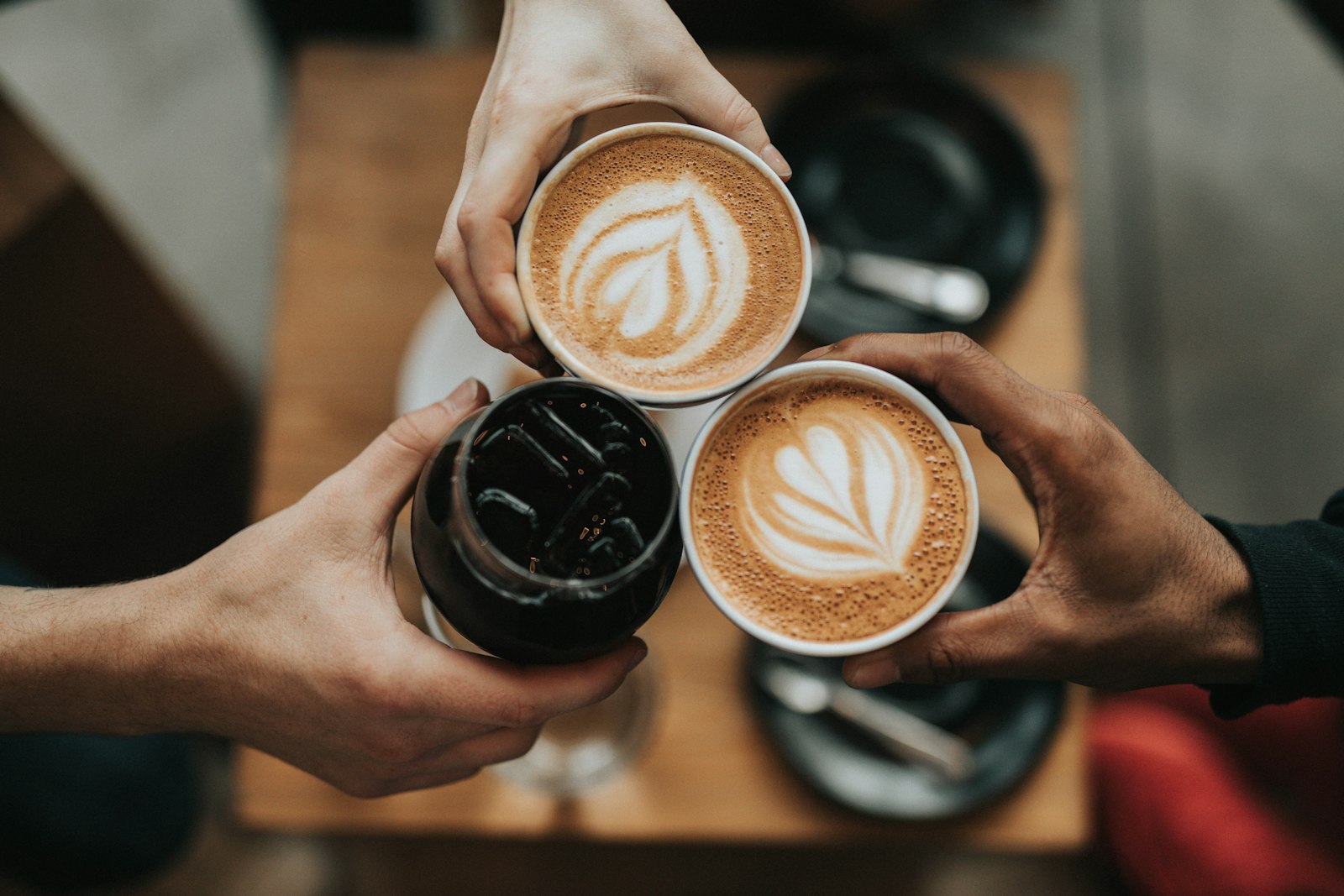
The café bombón is one of the simplest drinks in the Spanish repertoire, and one of the most recognizable. Two ingredients are all it takes: an espresso and sweetened condensed milk, in equal measure. Everything interesting about it lies in how you assemble them. The condensed milk, thick and denser than coffee, settles in the bottom of the glass. The espresso, poured gently on top, forms a second, darker layer. Served in a small clear glass, the result looks like a crisp gradient between brown and ivory.
The name tells you a lot. Bombón means bonbon in Spanish, and the drink leans fully into its sweet, indulgent character. It is a frankly sugary coffee, almost a dessert, but the bitterness of the espresso offsets the sweetness of the condensed milk. That balance is the point of the 1:1 ratio: too much milk and the coffee vanishes, too much espresso and the sweet signature fades.
Unlike Cuban coffee, where the sugar is whipped into an espuma, the bombón needs no emulsifying. The sweetness comes entirely from the condensed milk, folded in as it is. That economy of means, two components and a single pour, is what makes it an easy drink to get right, at home as much as at the counter.
What do you need to make a café bombón?
The list runs to two lines. A good espresso and the right amount of condensed milk make all the difference.
- 30 to 40 ml sweetened condensed milk, ideally at room temperature so it pours easily
- 30 to 40 ml espresso, a single or a short double, intense and piping hot
- Filtered water for the espresso machine or moka pot
- A small heatproof clear glass, roughly 80 to 100 ml
- A small spoon for pouring the espresso and for stirring before you drink
How do you make a café bombón step by step?
The only technical point is the pour. To get clean layers, the espresso has to glide onto the condensed milk rather than plunge into it. An upturned spoon is enough to slow and spread the stream.
- Pour the condensed milk. Spoon 30 to 40 ml of sweetened condensed milk into the bottom of the small clear glass. Tilt the glass slightly so the milk coats the base evenly, without splashing too high up the sides.
- Pull the espresso. Brew a short, concentrated espresso, about 30 to 40 ml, on a machine or in a moka pot. A tight shot keeps enough body to hold its own against the sweet milk.
- Pour the espresso over the back of a spoon. Hold a small spoon upside down, rounded side up, just above the surface of the condensed milk. Let the espresso run slowly over the spoon: it spreads and settles gently, forming a distinct layer instead of mixing in.
- Serve and stir. Serve straight away, while the contrast between the two layers is visible, that is when the café bombón looks its best. When you are ready to drink, stir with the small spoon to fold the condensed milk into the coffee and even out the sweetness.
Where does the café bombón come from, and what are its variations?
The café bombón was born in Spain, in the Valencian Community. It is linked to the city of Valencia and the Castellón coast, the Costa del Azahar, where it spread through the 1950s before reaching the rest of the country. Today it appears on most Spanish café menus, with a few close relatives across regions and countries.
| Drink | Build | What sets it apart |
|---|---|---|
| Café bombón | espresso + sweetened condensed milk, 1:1 | two layers in a clear glass |
| Cortado condensada | espresso + a dash of condensed milk | less milk, more coffee, an Andalusian take |
| Café con leche | espresso + hot unsweetened milk | a classic milk coffee, sugar added separately |
For pairings, the café bombón works well on its own at the end of a meal, doubling as both a coffee and a dessert. Its sweetness sits nicely with a lightly sweetened pastry or a slice of citrus, which adds a tart counterpoint. Served very hot, it also flatters a darker-roast espresso, whose cocoa and dried-fruit notes play against the condensed milk.
What are the most common café bombón mistakes?
- Pouring the espresso too fast. If the coffee drops straight into the milk, the two mix and the layered effect is lost. The back of the spoon exists precisely to slow the stream.
- Confusing sweetened condensed milk with evaporated milk. Evaporated milk is not sweetened, so it leaves you with a bland drink. Café bombón needs sweetened condensed milk, thick and already sugared.
- Adding sugar. The condensed milk already supplies all the sweetness. Sweetening further turns the drink cloying.
- Using coffee that is too long. Filter coffee or an over-extended espresso drowns in the sweet milk. Aim for a short, intense shot to keep some character.
Frequently asked questions about café bombón
What is the ratio for a café bombón?
A café bombón is built in equal parts, a ratio of about 1:1: as much sweetened condensed milk as espresso. In practice that means roughly 30 to 40 ml of condensed milk in the bottom of the glass, then the same volume of espresso on top. The balance keeps the drink very sweet while the coffee stays present.
Where does café bombón come from?
Café bombón comes from Spain, specifically the Valencian Community. It is usually traced to Valencia and the Castellón coast, the Costa del Azahar, where it grew popular through the 1950s. The word bombón means bonbon in Spanish, a nod to the drink's sweet, dessert-like character.
Why is café bombón served in a clear glass?
The clear glass is the visual signature of café bombón. Denser than espresso, the sweetened condensed milk settles at the bottom and forms a pale band, topped by the darker coffee. The contrast between the two layers is part of the appeal. You stir them together with a small spoon before drinking.
Do you add sugar to a café bombón?
No. The sweetened condensed milk already provides all the drink's sweetness, and that is exactly what defines a café bombón. Adding sugar would make it cloying. If it tastes too sweet, slightly reduce the condensed milk rather than diluting with water.
Sources
- The Coffee Wiki (Fandom), "Café Bombón", Valencian origin and composition.
- Coffeeness, "Cafe Bombon Recipe: Spain's Sweet Espresso Sensation", 1:1 ratio and layering method.
- Espresso Outlet, "Café Bombón Recipe", pouring over the back of a spoon and clear-glass presentation.
- Garçon Coffee, "Café Bombón, How to Order Coffee in Spain", Spanish context and sweetened condensed milk.
Go further: Specialty coffee FAQ · Coffee glossary · All guides