How to Make a Marocchino: Recipe and Origin
A marocchino is an Italian coffee born in Alessandria, in Piedmont. You dust the bottom of a small 70 to 80 ml glass with unsweetened cocoa powder, add a thin layer of milk foam, pour a short espresso, then dust again with cocoa. Its signature is the small clear glass that shows the layers of cocoa, milk and coffee. Do not confuse it with the mocaccino, where chocolate sits at the bottom and milk dominates.
- Origin: Alessandria, Piedmont, 1950s, near the Borsalino factory
- Coffee base: a short espresso, about 25 to 30 ml
- Cocoa: unsweetened cocoa powder, at the bottom of the glass and on top
- Milk: a thin, compact foam, like a cappuccino but in smaller volume
- Glass: clear, 70 to 80 ml, so the layers show
- Tell it apart from the mocaccino (chocolate at the bottom, more milk) and the espressino (same idea, a southern name)
What is the origin of the marocchino?
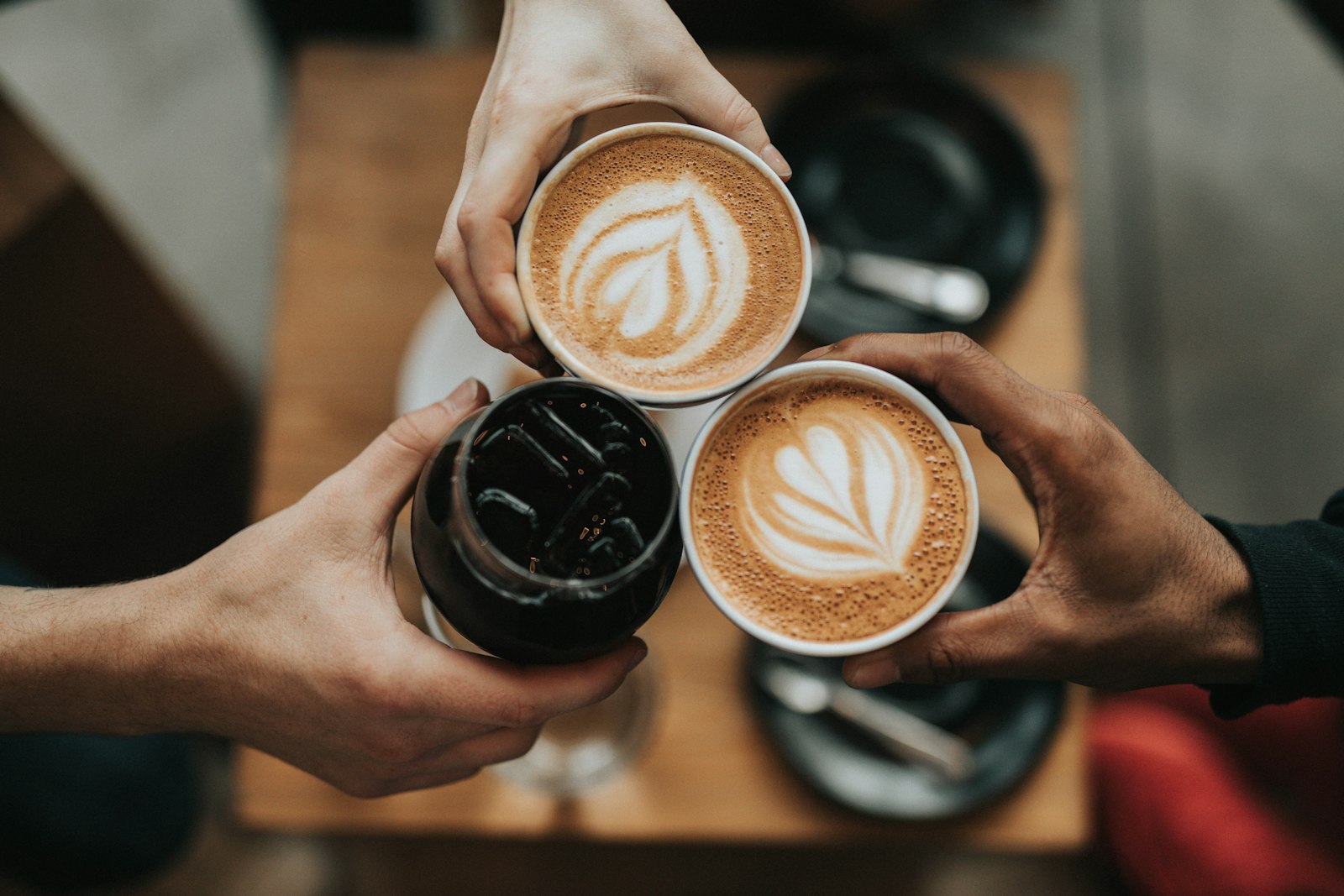
The marocchino is a Piedmontese drink that appeared in Alessandria in the 1950s. Tradition ties it to Bar Carpano, which stood across from the famous Borsalino hat factory. Its name, which means "little Moroccan" in Italian, points not to the country but to a colour: that of marocchino leather, a light brown hide used at the time, whose shade recalls the blend of coffee and cocoa at the bottom of the glass.
That lineage explains how restrained the recipe is. The marocchino is not a liquid dessert but a dressed-up coffee: the espresso remains the heart of the drink, while cocoa and milk round it out without burying it. That restraint is what separates it from a caffeinated hot chocolate. The small volume, around 70 to 80 ml, makes it a drink finished in a few sips, often mid-morning or after a meal.
A word on naming, because confusion is common. In southern Italy a related drink goes by the name espressino: the same idea of espresso, milk foam and cocoa, under a different regional label. The marocchino should also not be mistaken for the mocaccino, which is milkier, nor for the American-style mocha, which drowns the coffee in chocolate.
What do you need to make a marocchino?
The strength of the marocchino lies in three simple elements and a vessel chosen to display them. The quality of the cocoa matters as much as that of the coffee.
- A short espresso (about 25 to 30 ml), ideally a coffee with chocolatey notes, such as a natural Brazilian
- Unsweetened cocoa powder, a teaspoon at the bottom and a dusting on top
- 40 to 50 ml of cold whole milk for a thin, compact foam
- A few dark chocolate shavings to finish (optional)
- A small clear glass of 70 to 80 ml, ideally thick-walled, an espresso machine with a steam wand and a small spoon
How do you make a marocchino step by step?
The order of assembly is everything: it creates the visible layers that define a marocchino. Lay down the cocoa first, then move quickly through coffee and milk before anything cools.
- Prepare the glass and cocoa. Warm a small 70 to 80 ml glass, for instance by rinsing it with hot water. Dust the bottom with a teaspoon of unsweetened cocoa powder. For a richer version, line the inside of the glass with melted chocolate.
- Pull the espresso. Pull a short, intense espresso, about 25 to 30 ml in 25 to 30 seconds. A darker, cocoa-noted coffee converses well with the powder. Set it aside while you froth the milk.
- Texture a thin milk foam. Froth a small amount of whole milk to a compact, glossy foam, in the spirit of a cappuccino but in smaller volume. Aim for 60 to 65 degrees Celsius: above that, the milk tastes cooked and the foam collapses.
- Build the layers. Gently spoon the thin milk foam over the cocoa, then pour the espresso slowly down the side of the glass to preserve the strata. The clear glass should reveal the layering.
- Dust and serve. Finish with a dusting of cocoa powder, or a few dark chocolate shavings. Serve immediately, with a small spoon for those who like to stir before drinking.
How do you line a marocchino glass with chocolate?
The most striking version of the marocchino is set up before the coffee even goes in: you line the inside of the glass with melted chocolate. Melt a little dark chocolate over a water bath or in short bursts in the microwave, then, with a spoon, run the chocolate down the walls while turning the glass to coat it. Let it set for a moment.
This gesture changes two things. On the palate, each sip scrapes a thin film of chocolate, extending the cocoa sensation beyond the dusted powder. To the eye, the glass shows brown streaks that contrast with the pale foam. It is a barista touch, optional, but one that turns a morning coffee into a small, considered pleasure. Keep the amount modest: too much melted chocolate masks the coffee and tips the drink toward a mocaccino.
What are the regional variants of the marocchino?
The marocchino was never locked into a single recipe. From Piedmont across the rest of northern Italy, it shifts with local habits and the products at hand.
- The Alessandria version. Closest to the original: cocoa powder, espresso, thin milk foam, a second cocoa dusting, all in a small clear glass.
- With thick hot cocoa. In some northern regions, a spoonful of thick hot cocoa replaces or supplements the cocoa powder at the bottom, for a more melting texture.
- With Nutella, in Alba. In Alba, home of Ferrero, it is not unusual to use Nutella as the chocolate base, a nod to the local terroir.
- Not to be confused. The mocaccino puts chocolate at the bottom and raises the share of milk, edging toward a caffeinated hot chocolate. The espressino is, in the south, a very close relative of the marocchino under another name.
What mistakes should you avoid with a marocchino?
A few missteps are enough to throw the marocchino off balance. Here they are, and how to avoid them.
- Too much milk. A marocchino is not a latte. Too much foam drowns the coffee and cocoa: keep it to a thin layer.
- Sweetened cocoa. Unsweetened cocoa brings the bitterness that balances the espresso. A sweet chocolate powder tips the drink toward dessert.
- An opaque glass or a cup. Part of the pleasure is in the visible layers. A clear glass shows off the strata; a cup works but loses the effect.
- Overheated milk. Above 70 degrees Celsius, the milk cooks and the foam falls apart. Cut the steam around 60 to 65 degrees Celsius.
- Reversing the layers. Cocoa at the bottom, foam, then coffee: that is the marocchino order. Reverse it and you drift toward the mocaccino.
Frequently asked questions about the marocchino
What is the difference between a marocchino and a mocaccino?
A marocchino is layered in the order cocoa, milk foam, espresso: you dust the bottom of the glass with cocoa powder, add a thin layer of milk foam, then the espresso, and finish with a second cocoa dusting. A mocaccino reverses this, with chocolate at the bottom and a much larger share of milk, closer to a caffeinated hot chocolate. The marocchino stays small, around 70 to 80 ml, with the coffee in charge.
Where does the marocchino come from?
The marocchino was created in Alessandria, in Piedmont, in the 1950s, near the Borsalino hat factory. Its name comes from marocchino, a light brown leather used at the time whose shade recalls the colour of the drink. It should not be confused with the espressino of southern Italy, a closely related preparation that simply carries a different regional name.
Do you use chocolate or cocoa powder for a marocchino?
The classic Alessandria version uses unsweetened cocoa powder, dusted on the bottom of the glass and again on top. Some regions of northern Italy add a thick hot cocoa, and in Alba, the home of Ferrero, Nutella is sometimes used. A common variant lines the inside of the glass with melted chocolate for a more indulgent result.
What size glass is used for a marocchino?
A marocchino is served in a small clear glass of about 70 to 80 ml, often thick-walled to hold the heat and let the layers show. The clear glass is part of the drink's appeal: it shows off the cocoa, milk and coffee layers. A small espresso cup works at a pinch, but you lose the visual effect of the strata.
Go further: Specialty coffee FAQ · Coffee glossary · All guides