Coffee Too Sour: Causes and Fixes
Sour or overly acidic coffee is mostly down to under-extraction: the water did not dissolve enough of the coffee. Fix it by grinding finer, extending the brew, and raising the water temperature to between 92 and 96 °C. Nine times out of ten, tightening the grind by one step is enough to balance the cup.
- A sour fault is the classic symptom of under-extraction
- First move: grind finer, the fastest and most effective lever
- Aim for water between 92 and 96 °C; below 90 °C the cup stays sour
- Extend the brew: 2 min 30 to 3 min 30 for filter, 25 to 30 seconds for espresso
- A very light roast or very fresh coffee emphasises acidity: check roast and freshness
- Do not confuse pleasant acidity (bright, fruity) with a sour fault (sharp, hollow)
Why does coffee turn sour in the first place?
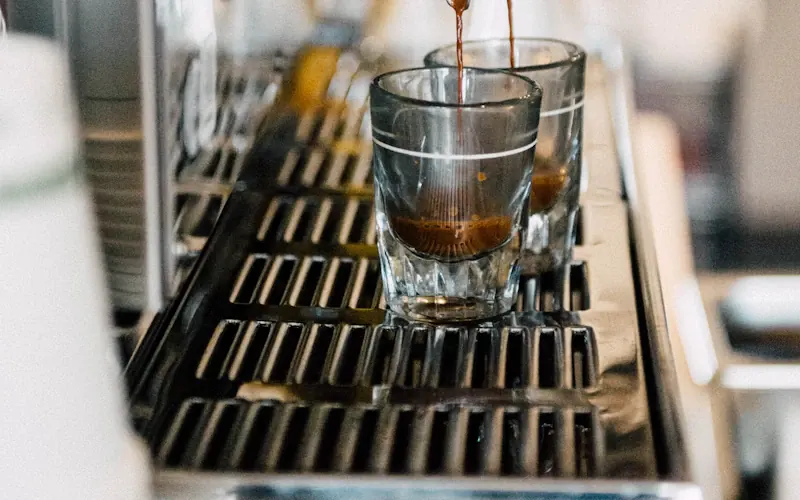
When a cup comes out sour, the first instinct is to blame the beans. In the vast majority of cases the cause lies elsewhere: the water simply did not dissolve enough material. We call this under-extraction. The first compounds to come across into the cup are the acids; the sugars and the balancing aromatics follow. Stop the brew too early, or let it run too fast, and you collect mostly acids, leaving the cup sharp and aggressive.
Five causes show up again and again, alone or in combination:
- A grind that is too coarse. Large particles offer little surface for the water, which rushes through without extracting deeply. This is the number-one cause of a sour cup.
- A brew time that is too short. An espresso that pours in 15 seconds, or a filter drained in under two minutes, has not had time to extract the sugars.
- Water that is too cool. Below 90 °C, water extracts poorly. Heat is the energy that dissolves compounds; too little heat and only the acids come through.
- A very light roast. Light roasts are denser and naturally more acidic, and they need a longer extraction to balance out.
- An off-balance coffee-to-water ratio. Too little coffee for the volume of water thins the cup and exposes the acidity with no body to support it.
The good news is that every one of these is adjustable. The most useful question to ask is simply: is my extraction high enough? For more on reading the cup, the under and over-extraction diagnosis guide walks through the signs, and the TDS and extraction yield guide gives the numbers to aim for.
How do you fix a sour cup, step by step?
Work through these in order and change only one variable at a time. That way you know exactly what corrected the cup, and you avoid over-correcting into bitterness.
- Grind finer. Tighten by one or two steps on your grinder. A finer grind increases the contact surface and slows the water, pushing extraction up. It is the most effective and most immediate lever against sourness. Taste after each adjustment.
- Extend the brew and adjust the ratio. For filter, aim for a total time of 2 min 30 to 3 min 30 depending on the method. For espresso, aim for 25 to 30 seconds of flow at a 1:2 ratio (for example 18 g of ground coffee in, 36 g out). If the cup still feels hollow, raise the coffee dose slightly.
- Raise the water temperature to 92-96 °C. Water below 90 °C under-extracts. If you do not have a variable kettle, bring water to the boil then wait about 30 to 45 seconds before pouring. Water quality and temperature matter as much as the grind.
- Check freshness and roast. Look at the roast date on the bag. Coffee less than 4 to 5 days off roast is still degassing and can taste sour and uneven; let it rest. Conversely, coffee more than 4 to 6 weeks past opening loses its aromatics. If everything is dialled in but the cup is still too bright for your taste, choose a slightly darker roast.
One last guardrail: if grinding finer turns the coffee bitter and drying, you have crossed into over-extraction. Back off by half a step. Balance lives between the two, and you find it by tasting.
Which sour symptom points to which cause and fix?
| Symptom | Likely cause | Fix |
|---|---|---|
| Sharp, sour, aggressive | Grind too coarse | Grind one or two steps finer |
| Bright and hollow, no body | Brew time too short | Extend the brew (filter 2 min 30 to 3 min 30, espresso 25 to 30 s) |
| Flat and tart | Water too cool (below 90 °C) | Raise temperature to 92-96 °C |
| Thin and acidic | Coffee-to-water ratio too low | Raise the dose (aim for 60 g/L filter, 1:2 espresso) |
| Very bright, pointed | Very light roast | Push extraction or pick a darker roast |
| Sour and uneven | Coffee too fresh (under 4 to 5 days) | Let the coffee degas after roasting |
Is it pleasant acidity or a sour fault?
Not all acidity is a flaw. In specialty coffee, acidity is in fact a prized quality, as long as it is the right kind. Learning to tell them apart changes how you dial in a cup.
Pleasant acidity is bright, lively and fruity. We describe it with appetising words: lemon, green apple, red berries, citrus. It is clean, it gives the cup structure, and it leaves an enjoyable sensation, like the freshness of a ripe fruit juice. It is the signature of washed high-altitude coffees, especially from East Africa.
A sour fault, by contrast, is sharp and tart. It evokes neat lemon juice, vinegar or unripe fruit. It attacks rather than charms, and it usually comes with a hollow feel, a lack of sweetness and a short finish. This is nearly always the sign of under-extraction, and it is exactly what the steps above correct.
The simple test: if pushing extraction (finer grind, hotter water) turns the sharpness into pleasant fruit, it was under-extraction. If it persists and stays aggressive even when well extracted, it may be a trait of the coffee itself, and a different bean will suit you better.
Frequently asked questions
Why is my coffee so sour?
Sour or overly acidic coffee is almost always caused by under-extraction: the water did not dissolve enough of the coffee's compounds. The most common causes are a grind that is too coarse, a brew time that is too short, water that is too cool (below 90 °C), too low a coffee-to-water ratio, or a very light roast. Fix it by grinding finer, brewing longer, and raising the water temperature to 92-96 °C.
How do I make coffee less sour quickly?
The fastest fix is to grind one or two steps finer, which raises extraction and cuts sourness right away. If that is not enough, raise the water to 94-96 °C and extend the contact time (filter 2 min 30 to 3 min 30, espresso 25 to 30 seconds). Change one variable at a time so you know what actually worked.
What water temperature gives balanced coffee?
The range recommended by the Specialty Coffee Association is 90 to 96 °C, with a common sweet spot around 92-96 °C. Water below 90 °C under-extracts and tastes sour, while water near boiling (100 °C) can scorch the coffee and add bitterness. For most filter and espresso brews, 93-94 °C is a reliable starting point.
What is the difference between pleasant acidity and a sour fault?
Pleasant acidity is bright, lively and fruity, calling to mind lemon, apple or red berries, and it leaves a clean, enjoyable feel. A sour fault is sharp and aggressive, like neat lemon juice or vinegar, often with a hollow, low-sweetness body. The first is a prized quality in specialty coffee; the second nearly always signals under-extraction that you can correct.
Further reading: Under and over-extraction diagnosis · Grind size by method · Water for extraction · Specialty coffee FAQ