☕ Key takeaways
- Coffee subscriptions fall into two models: curated selection by the roaster, or a personalised box based on your declared preferences, each with different quality implications.
- Delivery frequency must match your actual consumption to receive coffee within its optimal freshness window, most subscriptions fail here by sending too much or too infrequently.
- Watch out for personalisation promises: verify that every delivery shows the roast date on the bag, without it, freshness is impossible to assess.
Coffee Subscription Guide: Selection Logic, Subscription Boxes, Common Pitfalls
What should you know before signing up for a coffee subscription?
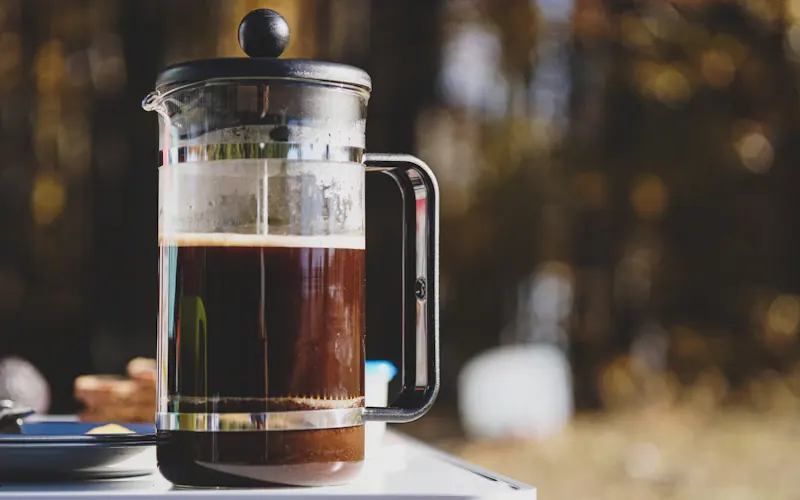
- The coffee subscription market has exploded in the last five years. Dozens of services pitch similar promises: "specialty coffee," "single origin," "freshness guaranteed," "expert…
- Be wary of subscriptions advertising very large discounts ("50% off"). An artificially inflated reference price is a mass e-commerce technique, not the practice of an artisan…
- The best approach is to order once (without subscribing) from several roasters before committing to a subscription. Note: freshness upon arrival (roast date), quality of…
The coffee subscription market has exploded in the last five years. Dozens of services pitch similar promises: "specialty coffee," "single origin," "freshness guaranteed," "expert curation." How do you tell a genuinely quality subscription from a well-packaged marketing product? This guide breaks down what actually matters, selection logic, frequency, personalisation, price-to-value, and names the common pitfalls before you commit to a monthly charge.
What are the two main coffee subscription models?
There are two fundamentally different models in the coffee subscription market:
Direct roaster subscriptionsYou subscribe directly to a specific roaster who sends their own coffees. This model guarantees freshness (coffee is typically roasted to order or days before shipping), stylistic consistency, and a direct relationship with the craft producer. This is the recommended model if you're looking for verifiable specialty coffee.
Multi-roaster curated boxesA curation service selects coffees from different roasters and packs them into a monthly box. This model offers wider variety but involves more complex logistics: the time between roasting and delivery is often longer, and freshness can vary by supplier. These boxes are most relevant for explorers in the discovery phase who want to sample multiple styles quickly.
What actually matters when a subscription selects its coffees?
A coffee subscription's selection rests on several variables you should be able to evaluate before subscribing:
Origin and traceabilityA serious subscription tells you the country, region, farm or cooperative, growing altitude, botanical variety, and processing method (washed, natural, honey). This information is not cosmetic: it allows you to understand why a coffee has the flavour profile it does, and to develop your palate over time.
Roast dateThe most important freshness indicator. Specialty coffee is ideally consumed between 7 and 45 days after roasting (filter: 7-21 days; espresso: 14-45 days). If a subscription doesn't display the roast date, that's a red flag.
Roast profileLight, medium, dark: roast level determines flavour profile. Light roasting preserves origin characteristics (acidity, fruit notes); dark roasting develops bitterness and body. The best subscriptions let you specify your preference; others don't. If you brew espresso, verify that the coffees offered are suitable for that method.
Recommended brewing methodA coffee roasted for filter isn't necessarily optimal for espresso. Serious subscriptions specify recommended methods per coffee shipped.
How often should your coffee be delivered?
Frequency choice is underestimated. It must match your actual consumption, not your idealised version of it.
| Daily consumption | Monthly quantity | Recommended frequency | Format |
|---|---|---|---|
| 1 cup/day (filter) | ~300-400g | Once a month | 250g or 2×125g |
| 2-3 cups/day (filter) | ~600-900g | Twice a month | 2×250g or 1×500g |
| 2-3 espressos/day | ~400-600g | Every 3 weeks | 500g |
| Mixed (filter + espresso) | ~600-1,000g | Twice a month | 2×500g or 4×250g |
The most common mistake: underestimating consumption and ending up with stale coffee, or over-subscribing and building a backlog that ages poorly. Track your actual consumption over two weeks before committing to a frequency.
Is subscription personalisation real or just marketing?
Many subscriptions advertise "personalisation" that amounts to a 3-4 question onboarding quiz (preferred roast level, brewing method, acidity preference). This basic personalisation is useful for avoiding systematic mismatch. But it's not a replacement for a genuine relationship with a roaster who knows your preferences.
The most effective personalisation comes from engagement: after 3-4 deliveries, if you provide specific feedback (by email or feedback form), the best services genuinely adjust. That feedback loop is the real differentiator between a generic subscription and an actually curated service.
How do you decode a coffee subscription's price and value?
| Price range (250g) | What you're entitled to expect | Red flag if absent |
|---|---|---|
| €8-12 | Decent coffee, basic information | No roast date |
| €12-18 | Traceable origin, roast date, tasting notes | No botanical variety or processing method |
| €18-28 | Micro-lot, specific farm, rare variety, altitude and processing details | Vague origin information |
| €28+ | Exceptional lot, justified rarity, full supply chain transparency | Marketing-only, no traceability data |
Find on Amazon
Affiliate links: as an Amazon Associate, expertcafe.be earns from qualifying purchases, at no extra cost to you. Learn more.
Be wary of subscriptions advertising very large discounts ("50% off"). An artificially inflated reference price is a mass e-commerce technique, not the practice of an artisan roaster who values their production.
Which coffee subscription pitfalls should you avoid?
No easy cancellationAlways check cancellation terms before subscribing. Some services require advance notice, charge cancellation fees, or make the process deliberately opaque. A quality service offers one-click cancellation.
"Specialty" without SCA scoresThe term "specialty" carries a specific industry meaning: a score of 80+ points on the Specialty Coffee Association scale. A subscription using this term without evidence or traceability is engaging in flavour-washing.
"Surprise" boxes with no informationSome boxes play the mystery card to mask the absence of origin information. Real specialty coffee doesn't need mystery, its traceability is a feature, not a weakness.
Subscriptions tied to hardware purchasesSome services bundle a subscription with a required machine or accessory purchase. This model creates lock-in and often pushes lower-tier equipment. Always separate hardware buying decisions from subscription decisions.
How can you test a subscription before committing?
The best approach is to order once (without subscribing) from several roasters before committing to a subscription. Note: freshness upon arrival (roast date), quality of information provided, cup quality with your usual brewing method, and customer service responsiveness when you ask a question.
The same curation logic I apply to the wines traceability, freshness, and a direct relationship with the producer are non-negotiable. A subscription that won't tell you who roasted your coffee, when, and with what green bean doesn't deserve your monthly loyalty.
Single-origin rotations or curated blends: which subscription fits you?
The subscription coffee market has bifurcated into two distinct models that serve genuinely different consumer preferences, and confusing the two is the most common source of subscription disappointment. Single-origin rotation subscriptions cycle through different coffees from different producing countries on each delivery; curated blend subscriptions provide consistent house blends with predictable flavour profiles. Neither is objectively superior, but choosing the wrong type for your actual preferences produces a bad experience from a good service.
Single-origin rotations suit consumers whose primary interest is coffee education and discovery, experiencing how a Kenyan SL28 compares to an Ethiopian natural, how the same variety tastes from two different roasters, how a coffee from Rwanda in one year differs from the same farm's next year's harvest. These subscriptions work best when the subscriber brews attentively, reads the included origin notes, and approaches each new coffee with curiosity rather than expectation of a specific flavour. The downside is unpredictability: if you've found a coffee you love, a rotation subscription will not deliver it again for months or may never deliver something exactly similar.
Curated blend subscriptions suit consumers who want reliable, daily-drinking quality, a consistent house espresso or filter blend that performs dependably regardless of seasonal variations in single-origin availability. These subscriptions are better suited to households where coffee is consumed habitually rather than analytically, and where consistency matters more than discovery. Many roasters offer both formats: a discovery single-origin rotation and a standing subscription for their flagship blend. Combining both, a blend subscription for daily use and an occasional single-origin delivery, is increasingly the choice of subscribers who want both reliability and exploration without committing exclusively to either.
The delivery frequency decision is less obvious than it appears. Most subscription services offer weekly, bi-weekly, or monthly delivery options. The correct choice depends on consumption rate and coffee freshness window: specialty coffee is best consumed within 3-4 weeks of roasting for filter, 2-3 weeks for espresso. A household consuming 250 grams per week should receive a 250g delivery weekly, not a 1kg monthly delivery. Receiving coffee faster than you can consume it in its optimal freshness window defeats the point of a specialty subscription, you end up with fresh coffee and stale coffee simultaneously, with no advantage over buying locally.
What signals separate a quality subscription from a marketing facade?
The specialty coffee subscription market has grown large enough to attract operators whose primary competency is e-commerce and marketing rather than sourcing and roasting quality. Distinguishing genuine specialty from premium-positioned commodity requires specific questions that good operators can answer and poor ones cannot.
Roast date transparency is the non-negotiable baseline. A subscription service that cannot guarantee ship-within-days-of-roast or that does not display roast dates on bags should not be considered specialty, by definition, stale coffee cannot be specialty coffee regardless of origin claims. Ask the service directly: "What is the typical number of days between roasting and shipping?" An answer of 1-5 days indicates a roast-to-order operation. An answer of "2-3 weeks" or vagueness suggests pre-roasted inventory that may be weeks old before shipping begins.
Sourcing information depth distinguishes premium specialty from upmarket commodity. A genuine specialty operator can tell you the farm or cooperative name, the SCA cupping score (if available), the processing method, and the year's harvest window for each coffee in their rotation. Vague origin descriptions, "Central America blend," "Ethiopian selection", indicate either commodity sourcing or the absence of meaningful traceability. The information doesn't need to be overwhelming; the key is whether it's specific enough to be verifiable and whether it reflects genuine direct sourcing relationships or catalogue purchasing from an importer.
Pause and cancellation policies reveal how confident a subscription service is in its product quality. Services that make cancellation difficult, requiring written notice 30 days in advance, charging cancellation fees, or burying the cancellation process, are using friction to retain subscribers rather than quality. A roaster confident in their coffee makes pausing and cancelling straightforward, because they expect the quality to earn continued subscription, not contractual obligation. Pause for holidays, skip individual deliveries, cancel with one click: these are hallmarks of subscription services that stand behind their coffee.