☕ Key takeaways
- EFSA and the NHS put the reference point at 200 mg of caffeine a day from all sources, roughly two single espressos or one large mug of filter coffee.
- The body clears caffeine much more slowly as pregnancy advances, so the same cup stays active for far longer.
- A good decaf, chicory or rooibos keeps the warm-cup ritual going without counting milligrams.
Coffee and Pregnancy Guide: Caffeine, Limits, Safe Alternatives
What are the three things to remember about coffee and pregnancy?
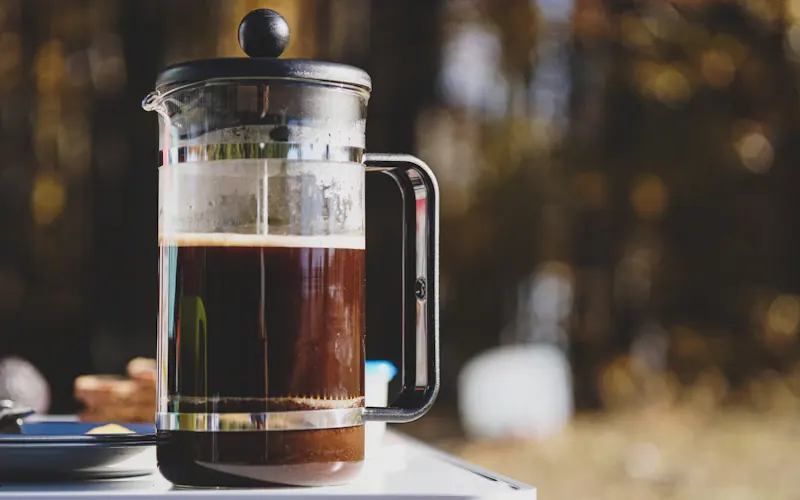
- Coffee is not off the table in pregnancy, but every source of caffeine in the day (coffee, tea, cola, chocolate) counts toward one shared ceiling.
- The first trimester and the final stretch call for extra attention, because the body clears caffeine more slowly than usual.
- This guide informs; it does not replace advice from your doctor, obstetrician or midwife, who know your situation.
The question comes up often, asked with a mix of worry and reluctance: can you still drink coffee during pregnancy? The short answer is yes, within well-established limits. This guide presents the recommendations from health authorities, the available data on caffeine and pregnancy, and serious alternatives for those who prefer to eliminate caffeine entirely for nine months. The goal is not to alarm but to inform, factually and without judgement.
Why does caffeine linger longer in a pregnant body?
Caffeine is a naturally occurring psychoactive substance found in coffee, tea, chocolate, cola drinks and some medications. In a non-pregnant adult, it is metabolised mainly by the liver enzyme CYP1A2, with a half-life of approximately 3-5 hours.
During pregnancy, this metabolism changes significantly. As pregnancy advances, hormonal changes slow CYP1A2 activity. Caffeine's half-life can stretch to around 15 hours by late pregnancy, roughly three times the usual figure, so a cup at 4 pm is still well present at bedtime.
Caffeine also crosses the placenta, while the foetal liver is too immature to clear it. That mechanism is what drives the precautionary approach.
It is important to note that available epidemiological studies show statistical associations (notably between high caffeine intake and increased risk of low birth weight or miscarriage), not proven causality. The data are consistent but imperfect, isolating caffeine from other factors such as smoking, alcohol, stress or overall diet quality in large population studies is genuinely difficult.
How much caffeine a day do health authorities accept in pregnancy?
Official reference points cluster around 200 mg of caffeine a day from all sources, with one nuance on the WHO side:
- EFSA (European Food Safety Authority): caffeine intakes up to 200 mg a day, spread through the day, do not raise a safety concern for the foetus.
- NHS (UK health service): no more than 200 mg of caffeine a day during pregnancy.
- ACOG (American College of Obstetricians and Gynecologists): stay under 200 mg a day.
- WHO: pregnant women whose intake exceeds 300 mg a day should reduce it, to lower the risk of pregnancy loss and low birth weight.
The 200 mg a day reference is the most widely shared. It does not mean that 201 mg is dangerous, only that staying below it leaves a comfortable safety margin given the data available.
How many milligrams of caffeine does each common drink deliver?
Caffeine does not come from coffee alone. The figures below are approximate, they shift with brand, brewing method and origin:
| Drink | Standard serving | Caffeine (mg), approximate | Notes |
|---|---|---|---|
| Espresso | 30 ml (single) | 60-80 mg | Varies with Arabica/Robusta blend and dose |
| Double espresso | 60 ml | 120-160 mg | |
| Filter coffee | 200 ml | 80-140 mg | More variable than espresso |
| Instant coffee | 200 ml | 50-100 mg | Often lower caffeine content |
| Black tea (3 min brew) | 200 ml | 30-60 mg | Highly variable by quality and steep time |
| Green tea | 200 ml | 20-40 mg | |
| Matcha (1 tsp) | 150 ml | 50-70 mg | High concentration |
| Coca-Cola (original) | 355 ml (can) | 34 mg | |
| Energy drink | 250 ml | 80-150 mg | Avoid during pregnancy for other reasons too |
| Dark chocolate (70%) | 30 g | 15-25 mg | Include in daily total |
| Decaffeinated coffee | 200 ml | 2-15 mg | Not zero but very low |
Under a 200 mg reference, one or two single espressos a day remain possible, provided other caffeine sources are not stacked on top. A morning espresso and an afternoon green tea stay well below it. Two large mugs of filter coffee may be enough to reach the ceiling.
Is it worth cutting back on caffeine from the first trimester?
The reference points apply to the entire pregnancy, but the first trimester deserves particular attention: it is the period of organogenesis, organ formation, when the embryo is most sensitive to external substances. Early-pregnancy nausea also tends to make coffee unappealing anyway, as if the body were sounding an alarm.
Some care teams suggest going lower still during those first weeks. This is not a universal official rule but a precautionary position that each woman can discuss with her doctor or midwife.
What can you drink instead of coffee while expecting?
Four options hold up for anyone cutting caffeine out entirely, or close to it.
Swiss Water Process decafThe Swiss Water method uses water and an activated carbon filter to extract caffeine, with no chemical solvents; the company states that 99.9% of the caffeine is removed. The result is a decaf that retains more aroma than ethyl acetate or methylene chloride processes. Specialty-grade decafs made this way exist: look for the mention on the bag.
Chicory rootRoasted chicory root produces a hot, bitter, full-bodied drink with no caffeine, with a texture reminiscent of coffee. It contains inulin, a prebiotic fibre. The taste differs from coffee, earthier and slightly more bitter, but as a warm morning ritual it is the closest substitute available.
RooibosRooibos (Aspalathus linearis) is a South African plant that produces a red-brown infusion, naturally free of caffeine and theine. Its aromatic profile is gentle, slightly sweet, with notes of vanilla and hazelnut. A concentrated, pressure-extracted "espresso rooibos" exists in some specialty coffee bars. Ask your midwife whether this infusion suits your situation.
Caffeine-free herbal infusionsGinger, peppermint, lemon and chamomile are common caffeine-free infusions. Caution: some herbs are inadvisable during pregnancy (liquorice root, sage, rosemary in large amounts), so ask for advice before trying a new infusion.
Pregnancy calls for adjustments, but it should not mean pointless deprivation. A good Swiss Water specialty decaf, well roasted and carefully prepared, can be a deeply satisfying cup, without the caffeine. The ritual stays intact.
Frequently Asked Questions
Is tea safer than coffee during pregnancy?Not necessarily. Theine is the same molecule as caffeine, and a strong black tea steeped for a long time can contain as much as an espresso. The 200 mg a day reference covers all sources combined.
Is decaf completely caffeine-free?No. A decaffeinated coffee usually contains between 2 and 15 mg of caffeine per cup, depending on the process and the cup. That is very little, since you would need more than ten cups to approach 200 mg, but it is not zero.
Do the same restrictions apply during breastfeeding?Caffeine passes into breast milk in small quantities, in the order of 1% of the mother's dose. Moderate consumption is generally considered compatible with breastfeeding, but newborns clear caffeine slowly, so discuss it with your paediatrician or midwife.
This guide is informational and does not replace medical advice. Consult your gynaecologist, obstetrician or midwife for recommendations tailored to your personal situation.
What happens to a cup of coffee inside a third-trimester body?
Two physiological shifts explain why pregnancy changes the arithmetic. EFSA's 2015 opinion on the safety of caffeine treats pregnant women as a group of their own: it finds no safety concern for the foetus at intakes up to 200 mg a day from all sources, spread through the day. The mechanism behind that caution is worth understanding, because it separates evidence-based care from over-correction.
The first shift is in metabolism. The liver enzyme CYP1A2, which breaks caffeine down, becomes progressively less active as pregnancy advances. A half-life of 3 to 5 hours in a non-pregnant adult can stretch to roughly 15 hours late in pregnancy. A coffee drunk at 8 am may therefore still be circulating in meaningful amounts at 10 pm, which changes the exposure profile compared with pre-pregnancy habits.
The second is placental transfer. Caffeine crosses the placenta, and the foetal liver has very limited CYP1A2 activity, so the foetus depends on the mother's circulation to clear it. Duration of exposure can therefore exceed what the mother experiences, even at moderate intakes.
A third mechanism is vasoconstriction. In laboratory and animal models, high doses of caffeine reduce uterine blood flow. Its clinical weight at the doses most pregnant women consume remains debated. Observational studies link high intakes with lower birth weight and pregnancy loss, but they show associations, not proven causes, and the link is weaker near 200 mg a day.
How do you count caffeine across a pregnant day, cup by cup?
The 200 mg reference is a population-level precaution, not a cliff edge. Counting works best with ranges from the table above: a home filter brew at a 1:15 ratio often lands around 95 to 110 mg for a 200 ml cup, so one cup leaves comfortable room, while a second brings most people to or just past the ceiling. A single espresso carries less caffeine than a mug of filter coffee because the volume is small, so one or two fit inside the limit.
Decaf is low but not zero, typically 2 to 15 mg a cup. For anyone who wants no caffeine at all but misses the ritual, a well-roasted specialty decaf keeps grinding, brewing and sipping intact, and the flavour compromise is modest. Be wary of herbal teas sold as pregnancy-friendly coffee substitutes: not every infusion suits pregnancy, and raspberry leaf, for instance, is often advised against in early pregnancy. Ask your midwife before adding one to your routine.